What is a Cowboy?
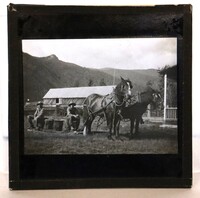
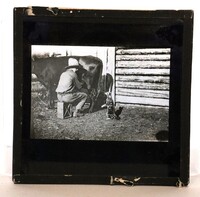
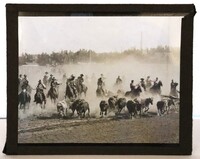
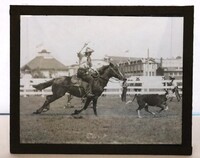
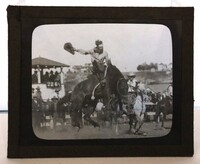
What do we really mean when we say “cowboy”? At its most basic, a cowboy is a person employed to tend cattle. But like many occupations that shape a lifestyle, an entire culture has grown around the role.
Ranching in the Canadian Prairies dates back to 1811, but workers identifying as cowboys did not appear until the 1870s. While the popular image of the cowboy is often white and male, the reality was far more diverse. Cowboys across North America came from many racial and ethnic backgrounds.
The origin of the term "cowboy" is rooted in racism. Before the American Civil War, enslaved Black men and women worked alongside white ranchers. White workers were often referred to as “cow-hands,” while Black workers were called “cow-boys”—a term that infantilized and disrespected them. Over time, the term lost this specific connotation and evolved into the broader definition we use today.
By 1886, over 100,000 cattle grazed east of the Rocky Mountains, and ranching had grown into a major industry. Young men roamed the prairies in search of work, and the cowboy became a symbol of this new economic and cultural frontier. Canada’s first organized rodeo was held in Fort Macleod, Alberta, in 1891. Just over two decades later, the first Calgary Stampede took place in 1912, cementing the cowboy’s role in Alberta’s emerging identity.