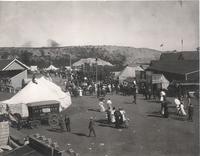
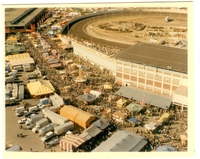
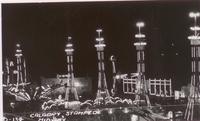
Stampede Grounds as a Site of Myth Making
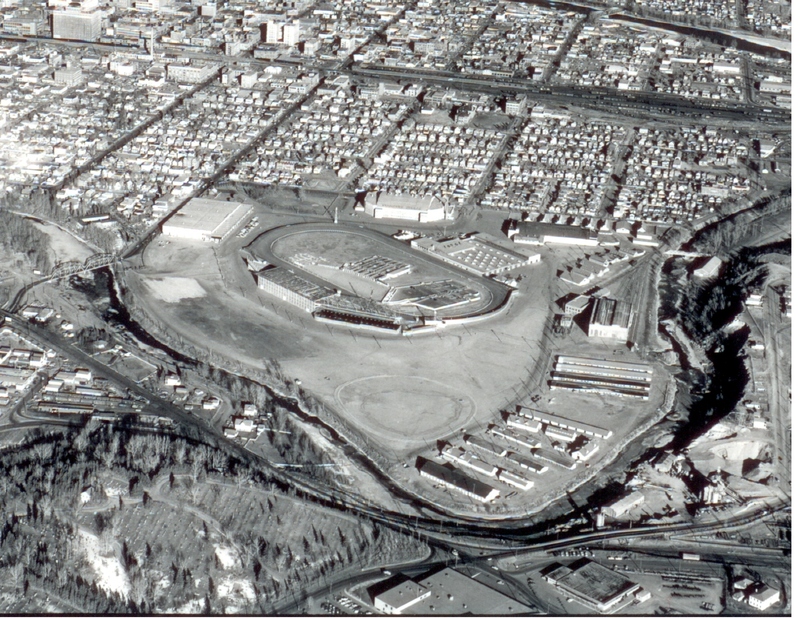
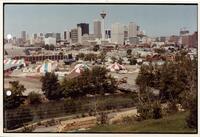
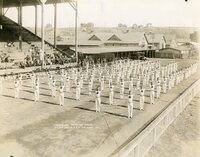
The Calgary Stampede grounds function as a powerful site of cultural myth-making, continually reinforcing the image of the masculine cowboy folk hero. As an annual event, the Stampede acts as a ritualized celebration of this figure, sustaining and re-enacting narratives of rugged individualism, frontier heroism, and idealized Western masculinity. Through its performances, competitions, spectacle-driven environments, and pervasive visual iconography, the Stampede not only commemorates the cowboy archetype but also actively romanticizes it, embedding the figure more deeply into regional identity and the wider popular imagination.
In this sense, the Stampede ensures that the cowboy remains firmly lodged within cultural memory and symbolic consciousness. It helps secure the connection between Calgary’s civic identity and the mythology of the West—making the cowboy not simply a historical remnant, but an ever-renewed emblem of who the city imagines itself to be. While the Stampede grounds did not create the cowboy hero or the values associated with him, they play a crucial role in making sure that the narrative never fades from Calgary’s cultural landscape.
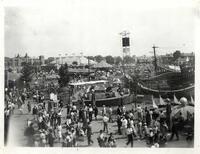
Each year, as visitors don their best Western wear, walk through the gates, watch the rodeo, and participate in staged “ranching” activities, they collectively enact and reaffirm this mythology. These performances—both formal and participatory—allow the cowboy legend not only to persist but to expand, continually adapting to contemporary tastes while preserving its core symbols. In doing so, the cowboy and the ideals of Western masculinity are made to stand figuratively tall over the city, their mythic presence renewed and amplified with every Stampede season.